


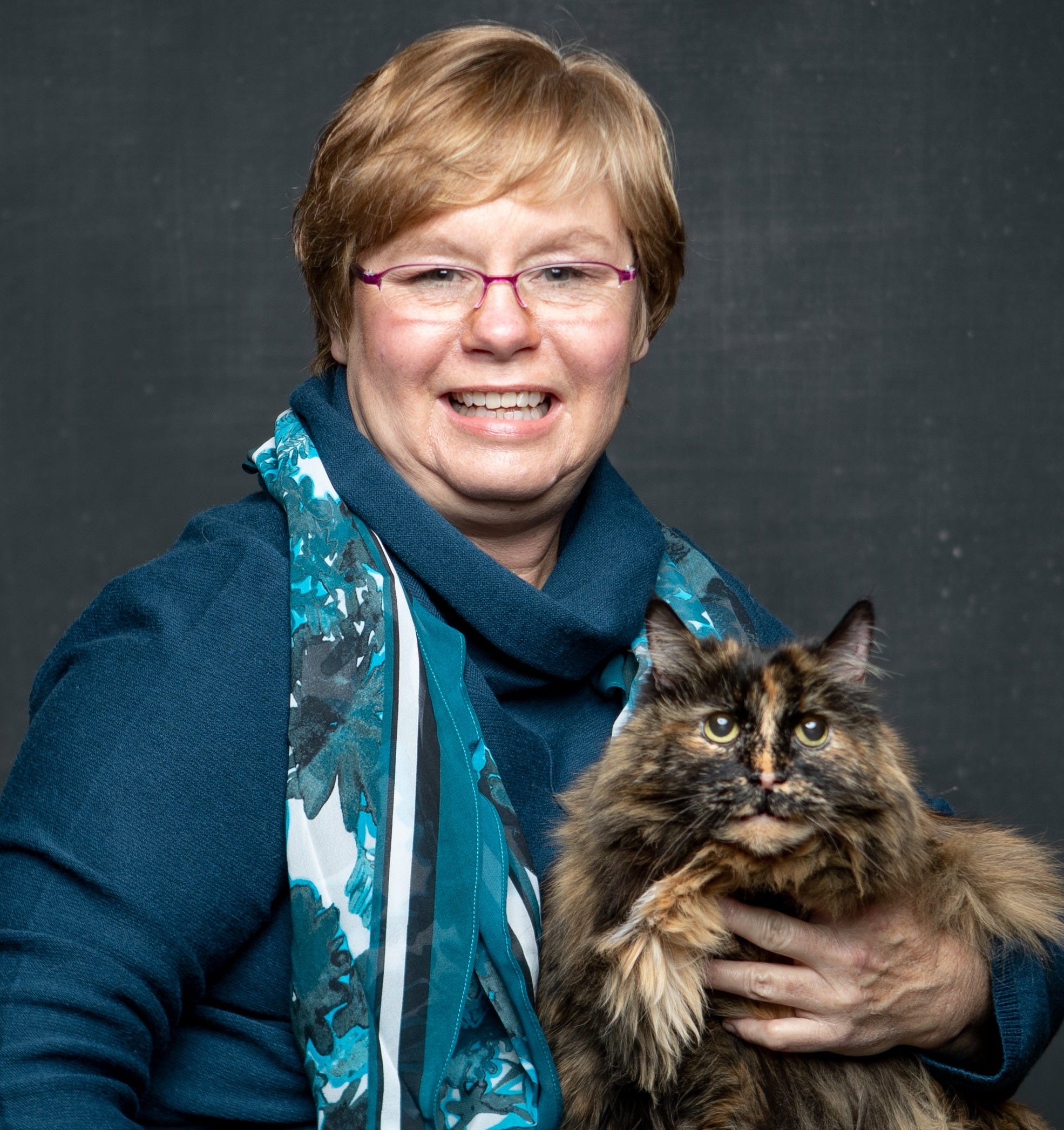
Field Notes for Pet Pros exists at the intersection of occupational safety, animal behavior, and real-world pet-care operations.
For years, professional pet care has relied heavily on best practices, experience, and instinct. But as businesses scale, teams grow, behavioral complexity increases, and liability exposure rises, many operators discover something uncomfortable:
Good intentions are not the same thing as operational systems.
I created Field Notes for Pet Pros to bridge that gap.
My background combines environmental health and safety management, OSHA-aligned training systems, and more than a decade working inside professional pet care. Today, I translate concepts like hazard recognition, Serious Incident & Fatality (SIF) prevention, Human & Organizational Performance (HOP), behavior-informed risk assessment, and operational leadership into practical tools pet-care professionals can actually use in the field.
This is not generic compliance content.
And it is not motivational business coaching.
It is operational thinking for people doing real pet-care work:
walking into unfamiliar homes,
handling unpredictable behavior,
working alone,
making decisions under pressure,
and trying to build sustainable businesses without sacrificing safety, care quality, or professional judgment.
Here you’ll find essays, field notes, training tools, incident analysis, leadership frameworks, and practical systems designed specifically for modern pet-care professionals.
Because safer operations do not happen by accident.
They are designed. 🐾
Stay up-to-date
Field Notes for Pet Pros helps pet-care professionals build safer, more resilient businesses through behavior-informed risk management, occupational safety principles, and practical field-tested systems.
This publication is for pet sitters, dog walkers, team leaders, and pet-care business owners who know good intentions are not enough when the work gets complex.
Here, we look at the real risks of pet-care work: unsafe entries, reactive animals, lone-worker decisions, heat exposure, slips and falls, communication gaps, scope creep, burnout, and the small routine changes that can quietly raise the risk.
These are not generic safety tips or fear-based compliance lectures.
They are field notes, essays, training tools, and operational frameworks designed to help pet-care professionals move from informal “best practices” toward safer, more defensible systems.
Because professional pet care is real work.
And real work needs real safety systems. 🐾
Join the crew
Be part of a community of people who share your passion for pets. Participate in the comments section, or support this work with a subscription.
To learn more about the tech platform that powers this publication, visit Substack.com.
